
Study in Australia
Explore educational opportunities in Australia, from primary and secondary schools to leading universities.
Latest Articles
News and insights on admissions and test prep
How to Apply for Biology at the University of Wollongong: Biology Majors in the Three-Year Bachelor of Science, Plus Medical Biotechnology (Honours), Marine Science and a One-Year Science (Honours) - Entry Routes and Prerequisites for Domestic, International (Including Chinese) and Transfer Students
The University of Wollongong (UOW) has no stand-alone biology bachelor. Cell and Molecular Biology and Ecology and Conservation Biology are majors in the three-year Bachelor of Science, and there are a four-year Bachelor of Medical Biotechnology (Honours), a three-year Bachelor of Marine Science and a one-year Bachelor of Science (Honours) after the bachelor. International applicants need IELTS 6.0 (6.0 in each band). The entry-requirements table lists a Gao Kao reference of 60% (or Senior High School Year 3 at 80%) for science bachelor degrees, and mainland China citizens starting in 2027 or later are automatically given the 20% Country Scholarship. Fees shown are 2026 figures; the Bachelor of Science is AUD 20,664 per session.
How to Apply for Chemistry at the University of Wollongong: Chemistry Is a Major in the Three-Year Bachelor of Science, Plus a Four-Year Medicinal Chemistry (Honours) Degree and a One-Year Science (Honours) - Entry Routes and Prerequisites for Domestic, International (Including Chinese) and Transfer Students
The University of Wollongong (UOW) has no stand-alone chemistry bachelor. Chemistry is a major in the three-year Bachelor of Science, and there is a separate four-year Bachelor of Medicinal Chemistry (Honours) and a one-year Bachelor of Science (Honours) after the bachelor. International applicants need IELTS 6.0 (6.0 in each band). The entry-requirements table lists a Gao Kao reference of 60% (or Senior High School Year 3 at 80%) for science bachelor degrees, and mainland China citizens starting in 2027 are automatically given the 20% Country Scholarship. Fees shown are 2026 figures; the Bachelor of Science is AUD 20,664 per session.
How to Apply to Biology at the University of Technology Sydney: Biology-Related Degrees Across Science Majors in Biotechnology and Life and Environmental Sciences, Molecular Biotechnology, Environmental Biology and Marine Biology and Climate Change, With No Fixed High-School Subject Prerequisites, Entry for Domestic, International (Including China) and Transfer Students
The University of Technology Sydney has no stand-alone biology bachelor’s: biological study is spread across the Biotechnology and Life and Environmental Sciences majors of the Bachelor of Science and the three-year Bachelor of Molecular Biotechnology, Bachelor of Environmental Biology and Bachelor of Marine Biology and Climate Change, with Medical Science as a separate group. UTS says it has no HSC subject prerequisites, and the Faculty of Science runs bridging courses in biology and chemistry (January 2027). International applicants need IELTS 6.5 (writing 6.0); UTS’s international course table gives Gaokao guide scores of 465 to 487 out of 750; the Gaokao scholarship covers 75% or 50% of tuition. Course structure and domestic cut-offs are not given on the pages used for this guide.
How to Apply to Chemistry at the University of Technology Sydney: Chemistry as a Major in the Bachelor of Science, a Chemistry Major in Forensic Science, and No Fixed High-School Subject Prerequisites, Entry for Domestic, International (Including China) and Transfer Students
Chemistry at the University of Technology Sydney is a major in the three-year Bachelor of Science, with a Flexible major for building your own science degree, and the Bachelor of Forensic Science also has a Chemistry major. UTS says it has no HSC subject prerequisites, only assumed knowledge, and the Faculty of Science runs bridging courses including chemistry (January 2027). International applicants need IELTS 6.5 (writing 6.0); UTS’s international course table gives a Gaokao guide score of 469 out of 750 for the Science Chemistry major, and the Gaokao scholarship covers 75% or 50% of tuition. Course structure, accreditation and domestic cut-offs are not given on the pages used for this guide.
How to Apply for Biology at UNSW Sydney: Biology Majors Sit Inside the Bachelor of Science and Advanced Science (Honours), Plus a Four-Year Biotechnology (Honours) Degree - Entry Routes and Prerequisites for Domestic, International (Including Chinese) and Transfer Students
UNSW Sydney has no stand-alone biology bachelor. Biology and biodiversity, molecular and cell biology, genetics, microbiology, immunology, neuroscience, ecology and conservation and more are majors in the three-year Bachelor of Science and the four-year Bachelor of Advanced Science (Honours), and there is a separate four-year Bachelor of Biotechnology (Honours). Assumed knowledge is not a hard prerequisite; mathematics plus a science is recommended. For Term 1 2027 the last international offer round closes on 15 November 2026. The 2027 table lists an international ATAR of 78 and a Gaokao average of 70% for the Bachelor of Science; Science undergraduates need IELTS 6.5 (6.0 in each band).
How to Apply to Biology at Western Sydney University: Biology, Zoology, Animal Science and Related Specialisations in the Bachelor of Science and Advanced Science, with 2027 International Tuition of AUD 41,613 a Year, for Domestic, International (Including Chinese) and Transfer Students
In the pages read, Western Sydney University has no stand-alone biology bachelor’s degree: Biology, Zoology, Animal Science, Agricultural Science, Environmental Science and related specialisations sit inside the Bachelor of Science and the Bachelor of Advanced Science, within the School of Science (whose disciplines include Biological Sciences and Zoological Science), with March and July intakes. The pages used for this guide give no subject prerequisites or cut-offs for these specialisations. This guide covers domestic application routes and adjustment factors, international English and fees, the China entry-qualification table, scholarships and pathway programs.
Our Services
Comprehensive admissions support for Australian primary and secondary schools, undergraduate programs, and graduate studies.

Australian Primary and Secondary School Applications
Personalized admissions planning and guidance for Australian primary and secondary schools.
- Public School Applications
- Private School Applications
- School and Location Selection
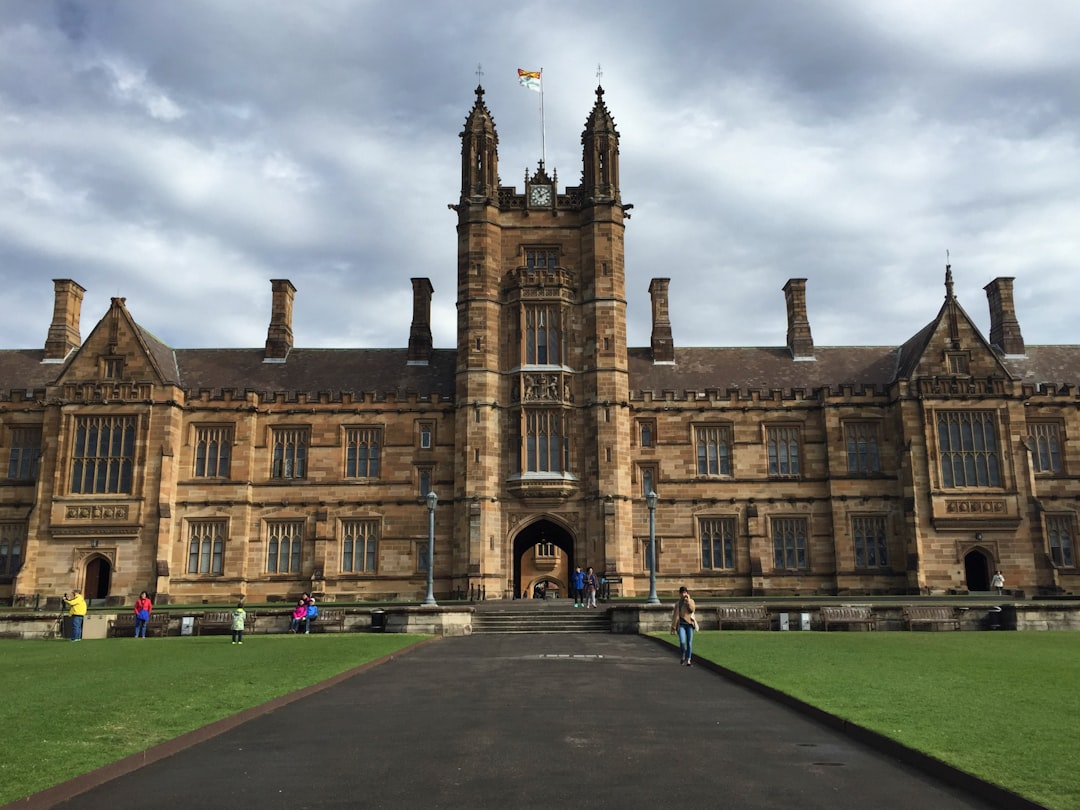
Australian Undergraduate Applications
Personalized application guidance for Australia's Group of Eight and other universities.
- Applications to Australia's Group of Eight Universities
- Foundation and Alternative Entry Pathway Planning
- Application Documents and Supplemental Materials Guidance
- IELTS Preparation Programs
- Program Selection and Career Planning
Australian Master's Applications
Personalized admissions guidance for coursework and research master's programs.
- University and Program Selection
- Standardized Test Requirements Guidance
- Professional Experience and Application Profile Guidance
- Personal Statement Guidance
- Program Selection Based on Academic and Career Goals
Australian School Applications
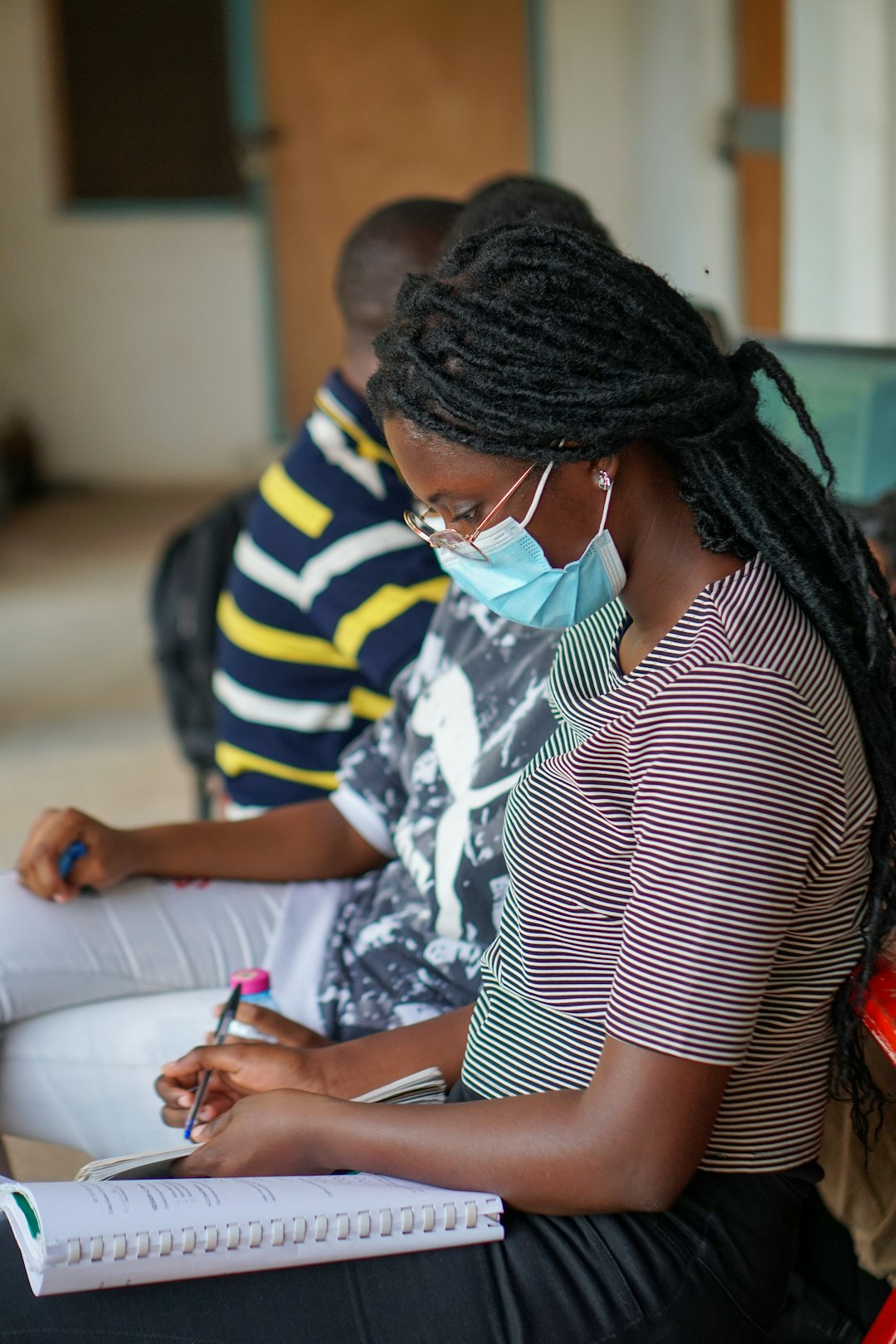
We provide personalized admissions guidance for students applying to Australian primary and secondary schools, including public and independent schools in New South Wales, Victoria, Queensland, and other states.
Personalized School Selection Plan | Matching suitable schools based on the student's grade level, academic needs, regional preferences, and family plans
AEAS Exam Preparation | Specialized AEAS preparation and practice tests for schools with specific requirements
Application and Enrollment Preparation | Preparing application materials, enrollment assessments, and interviews according to school requirements
Suggested Application Timeline
Common Application Requirements
Recommended Schools
Popular Cities

Australian Undergraduate Applications
We provide personalized undergraduate admissions guidance for Australia's Group of Eight and other universities. Depending on the institution and program, students may apply using recognized high school qualifications, including Chinese Gaokao results. Eligible graduates may also explore post-study work opportunities under Australia's current visa regulations.
University & Major Selection | Developing application strategies based on academic performance, areas of interest, and admissions goals
Diverse Pathways | Planning tailored pathways such as direct undergraduate admission, Foundation, and Diploma programs based on student profiles
Application Materials Guidance | Preparing application and supplementary materials according to target university and major requirements
Gaokao Score Applications | Evaluating application pathways using Chinese Gaokao scores based on target university and major requirements
Suggested Undergraduate Application Timeline
Common Application Requirements
Group of Eight
Popular Majors
Australian Master's Applications
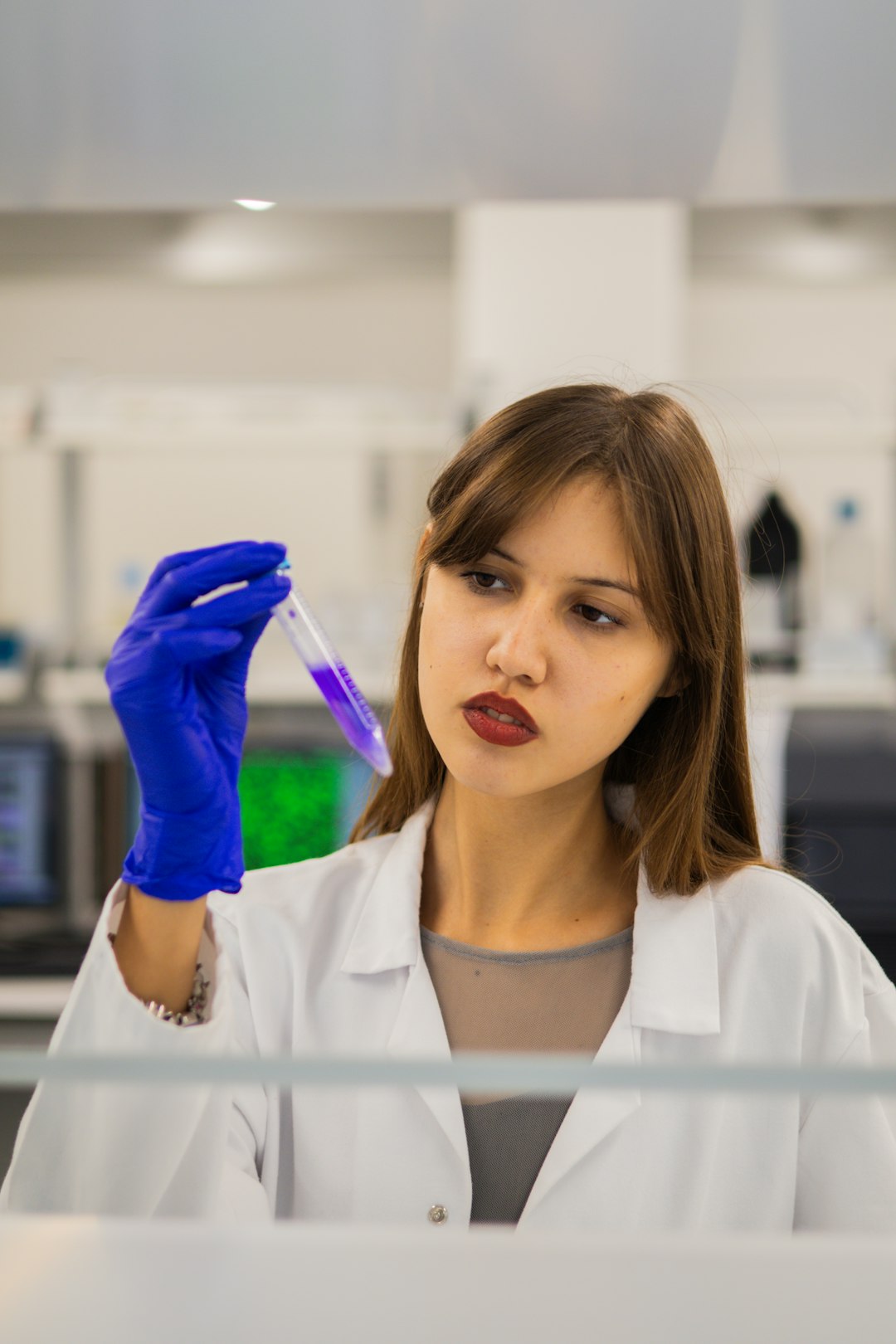
We provide personalized admissions guidance for coursework and research master's programs at Australian universities. Program duration, academic requirements, and application procedures vary by institution and field of study. Eligible international graduates may qualify for post-study work opportunities under current Australian regulations.
Program Selection and University Matching | Select suitable master's programs based on undergraduate background, intended major, and career goals
Application Requirements Assessment | Evaluate undergraduate GPA, language requirements, and other application criteria based on target programs
Cross-Disciplinary Application Planning | Develop application strategies for programs accepting cross-disciplinary backgrounds
Application Materials Guidance | Prepare Personal Statements, CV / Resume, and other application materials based on university requirements
Suggested Graduate Application Timeline
Common Application Requirements
Featured Universities
Strong Programs
Why Choose Us
Personalized admissions guidance for students applying to Australian universities.
Professional Team
Our admissions counselors provide guidance on Australian university selection, admission requirements, and application preparation.
High Success Rate
99% Student Visa Approval Rate · 90% Group of Eight Admission Rate
One-on-One Service
A dedicated admissions counselor supports students throughout university selection, application preparation, and admission decisions.
Global Resources
Partnerships with hundreds of Australian institutions, providing up-to-date admissions information.
Application Process
A structured five-step approach to planning and managing your application
Initial Assessment
Review each student's academic background and establish application goals.
University Selection and Positioning
Identify suitable universities and programs based on each student's qualifications and goals.
Application Material Preparation
Provide guidance on required documents, personal statements, and supplemental applications.
Application Submission and Follow-Up
Assist with application submission and monitor important updates and deadlines.
Admission Decisions and Visa Preparation
Review admission outcomes and provide guidance on student visa requirements and next steps.